Gardening Guides

Gardening Guides for soil, hydroponic, and aeroponic systems. Learn expert tips, plant care, and tool tutorials to grow healthier, high-yield gardens

  • Light Schedule Converter: Find the Right Intensity & Schedule for Plants

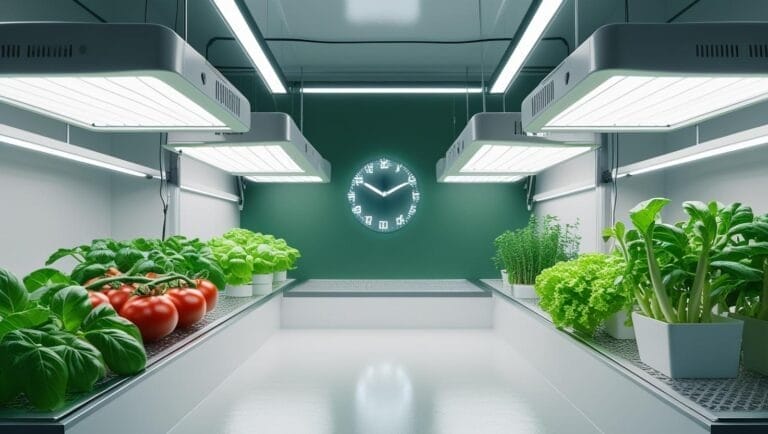
    Light is the driving force behind photosynthesis. The right intensity and duration are essential to help your plants thrive indoors or in controlled environments. Our light converter helps you determine the correct light levels (lux → PPFD) and daily light hours depending on the crop type and its growth stage. By combining this with our Light Schedule Converter, you can fine-tune your indoor garden lighting for maximum growth and yield. Why Use a Light schedule Converter? Light Requirements by Plant Type Plant Type Growth Stage Recommended PPFD (µmol/m²/s) Daily Light Hours Lettuce & Leafy Greens Vegetative 100–300 12–16 hrs Tomatoes Fruit/Flowering 400–700 14–18 hrs Peppers Fruit/Flowering 400–600 14–16 hrs Herbs…
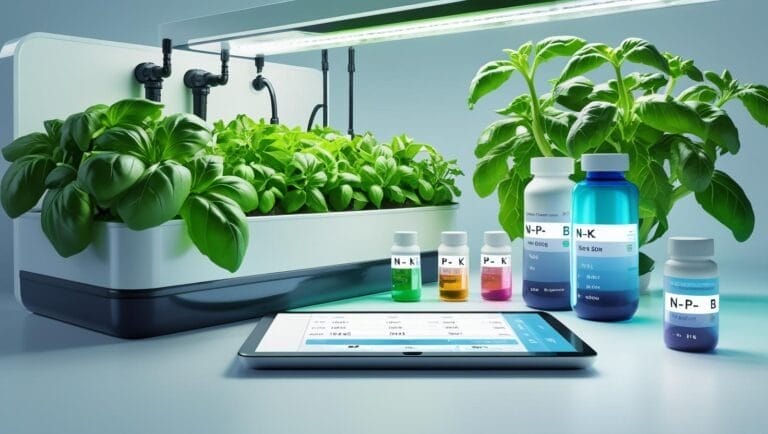
  • Soil NPK Fertilizer Guide: Ratios, Micronutrients & Application

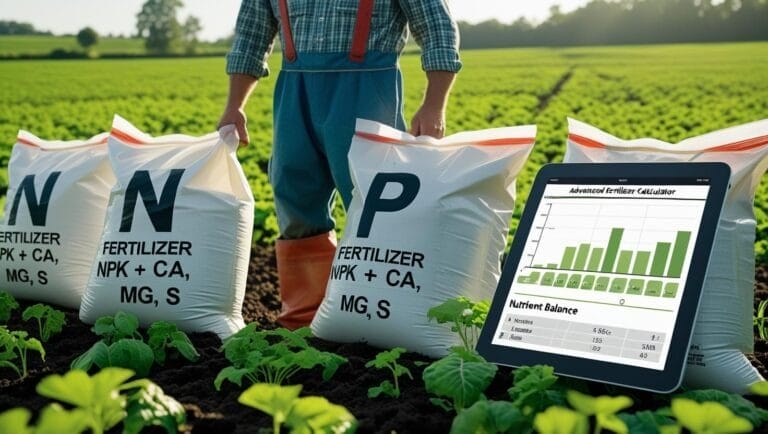
    Soil NPK Fertilizer Guide: Ratios, Micronutrients & Application Soil NPK Fertilizer Guide: Ratios, Micronutrients & Application Choosing the right soil fertilizer starts with NPK—nitrogen, phosphorus, and potassium. This guide explains how ratios work, when to add micronutrients, and how to apply fertilizer safely for strong roots, lush leaves, and better harvests. Table of Contents NPK Basics: What Those Numbers Mean How to Choose the Right Ratio Micronutrients (Ca, Mg, S + traces) When & How to Apply in Soil Blend Your Own: Use the Soil NPK Calculator Common Mistakes FAQs Related Guides & Tools NPK Basics: What Those Numbers Mean Fertilizer labels show three numbers—like 10-10-10—which mean the product contains…

  • Hydroponic Nutrient Calculations: Balance NPK & Micronutrients

    A hydroponic nutrient calculations helps growers mix precise nutrient solutions for their crops. Unlike soil, hydroponics delivers nutrients directly through water. This means the right balance of Nitrogen (N), Phosphorus (P), Potassium (K), Calcium, Magnesium, and trace elements is critical. With accurate calculations, you can improve plant health, speed up growth, and boost yields. Why Use a Hydroponic Nutrient Calculations? Macronutrients & Their Roles Nutrient Role in Plants Deficiency Symptoms Nitrogen (N) Leaf and stem growth, chlorophyll production Yellowing leaves, stunted growth Phosphorus (P) Root development, flowering, energy transfer Poor root growth, delayed maturity Potassium (K) Water balance, disease resistance, fruit quality Weak stems, leaf edge burn, low yield Calcium…

  • EC/TDS Guide for Plants & Crops: Hydroponic Nutrient Guide

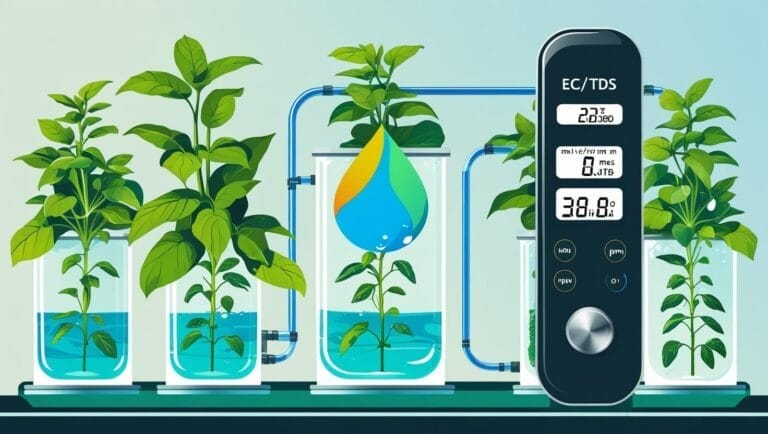
    Our EC/TDS Guide helps hydroponic growers easily convert Electrical Conductivity (EC) to Total Dissolved Solids (TDS) or vice versa. This ensures your crops get the right balance of nutrients for strong growth, healthy leaves, and maximum yield. Why Use an EC/TDS Calculator? Different plants have unique nutrient needs. Lettuce, spinach, and leafy greens thrive in lower EC ranges, while tomatoes, cucumbers, and peppers require higher EC. By converting EC and TDS correctly, you can: How to Use the Calculator? Tips for Hydroponic Growers Explore more tools: EC/TDS Calculator | pH Calculator | Nutrient Calculator

  • Hydroponic pH Guide: Maintain Ideal Nutrient Solution

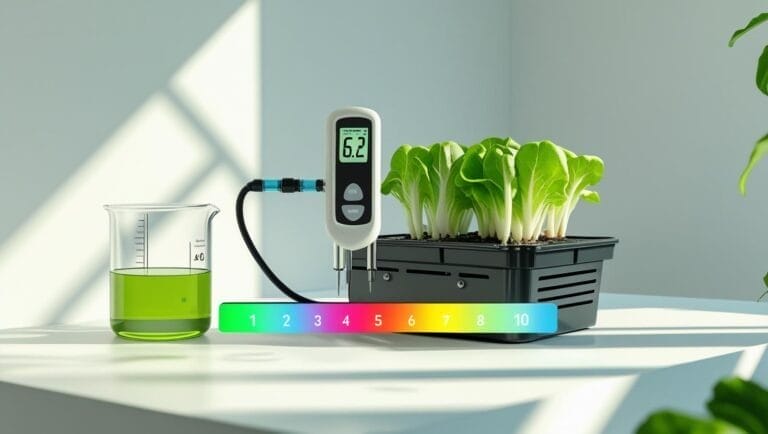
    Maintaining the correct pH level is crucial for hydroponic lettuce growth. A balanced pH ensures that nutrients are properly absorbed by the plants. Why Use a pH Calculator in Your Hydroponic System? In this Hydroponic pH Guide, we recommend using a pH calculator to: How to Use the pH Calculator? Simply enter your current pH value and your desired pH level.The calculator will instantly show how much pH Up or pH Down solution you need to balance your nutrient mix for optimal growth. Related Tools FAQs What is the ideal pH for hydroponic lettuce? The ideal pH range for hydroponic lettuce is 5.5–6.5 for optimal nutrient absorption. How often should…