What is Hydroponic pH?
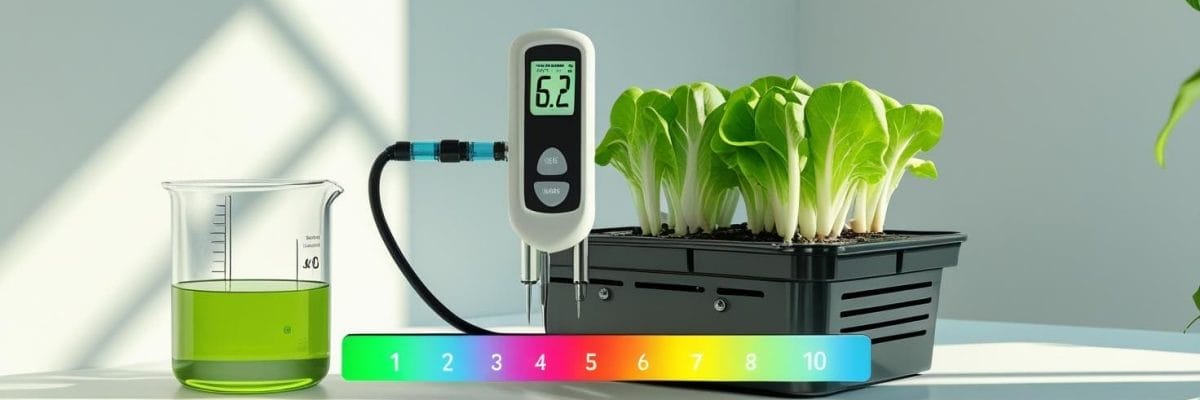
pH measures how acidic or alkaline your nutrient solution is on a scale of 0–14. In hydroponics, keeping pH between 5.5 and 6.5 is critical — outside this range, plants cannot absorb nutrients even if they’re present in the water, a condition called nutrient lockout. This calculator tells you exactly how much pH Up or pH Down to add to correct your reservoir.
Key Takeaways
- Select your crop — ideal pH target is set automatically for 8 crops.
- Calculates exact pH Up or Down dose in ml, teaspoons, and gallons.
- Step-by-step dosing guide so you never overshoot.
- Live pH gauge shows current vs target position in real time.
- Copy or print your result for use in the grow room.
- Reading history log — track your reservoir adjustments over time.
- Safety warnings for extreme or dangerous pH values.
Current Gardening — pH Dosing Guide
currentgardening.com/gardening-tools/ph-calculator/
Hydroponic pH Adjustment Calculator
Select your crop, enter your readings, get exact dosing in seconds.
Step 2 — Enter your readings
📋 Step-by-Step Dosing Guide
📧 Get a Free pH Tracking Log Sheet
Download our free printable pH & EC log sheet — track your reservoir readings daily. Enter your email and we’ll send it straight to your inbox.
What pH Should Hydroponic Water Be?
Hydroponic water should be maintained between pH 5.5 and 6.5, with 6.0 as the ideal all-purpose target. Within this range, all essential nutrients — nitrogen, phosphorus, potassium, iron, calcium, and magnesium — are simultaneously soluble and available for root absorption. A reading above 7.0 causes iron and phosphorus to precipitate out of solution. A reading below 5.5 causes calcium and magnesium deficiencies. Most growers aim for 5.8–6.2 to stay centred in the optimal zone.
In a hydroponic system, pH acts as the primary gatekeeper for plant nutrition. Without soil to buffer the roots, hydroponic plants are entirely dependent on the liquid solution. Even a slight drift over 7.0 can cause iron to precipitate out of the water, leading to yellowing leaves and stunted growth rate. Always pair pH monitoring with your EC/TDS reading for complete nutrient control.
How pH Affects Nutrient Availability
This chart shows how available each major nutrient is at your current pH. The wider the bar, the more available that nutrient is. Keep all bars wide by staying in the 5.5–6.5 range.
🌿 Nutrient Availability at pH 5.5 – 6.5 (Optimal Zone)
⚠️ Iron and Zinc drop sharply above pH 7.0 — causing yellowing leaves even when nutrients are present in the reservoir.
How to Use This pH Calculator
- Select your crop — the ideal target pH is filled in automatically for 8 common hydroponic plants.
- Choose your volume unit — litres or gallons — using the toggle at the top of the calculator.
- Test your reservoir with a calibrated pH meter and enter the current reading.
- Enter your total reservoir volume.
- Choose your pH Up/Down product strength from the dropdown.
- Click Calculate and follow the step-by-step dosing guide shown below the results.
- Re-test after 15 minutes of pump circulation before adding more solution.
Plant pH Reference Table
Different crops thrive at slightly different pH levels. The table below shows the optimal range and target for each crop supported by this calculator. These ranges are based on research from university extension programmes and commercial hydroponic growers.
| Crop | Ideal pH Range | Optimal Target | Notes |
|---|---|---|---|
| Lettuce & Greens | 5.5 – 6.0 | 5.8 | Optimizes nitrogen uptake for fast growth. |
| Tomatoes | 5.8 – 6.5 | 6.2 | Higher range prevents blossom end rot. |
| Strawberries | 5.5 – 6.2 | 5.8 | Crucial for fruit sugar development. |
| Peppers | 5.5 – 6.3 | 6.0 | Ensures steady yield production. |
| Herbs (Basil etc.) | 5.5 – 6.5 | 6.0 | Keeps essential oils and aroma potent. |
| Cucumbers | 5.5 – 6.0 | 5.8 | Requires frequent pH checks — drifts fast. |
| Spinach | 6.0 – 7.0 | 6.5 | More alkaline than most hydro crops. |
| Cannabis | 5.5 – 6.0 | 5.8 | Tight range — monitor twice daily in flower. |
How to Lower pH in Hydroponics
If your pH reads above 6.5, add a small amount of pH Down solution (typically phosphoric acid) to your reservoir. Use a syringe — add 1–2 ml per 10 litres near your pump intake, stir well, then wait 15 minutes before re-testing. Never try to correct a large swing all at once. Overshooting forces you to correct the opposite direction, wasting product and stressing your plants’ root systems.
How to Raise pH in Hydroponics
If your pH drops below 5.5, use pH Up (potassium hydroxide). Potassium-based pH Up is preferred over sodium-based versions because potassium is also a plant nutrient. Use the same method: small amounts, stir, wait 15 minutes, re-test before adding more. The calculator above automatically splits large adjustments into stages to prevent overshooting. Keep in mind that adding concentrated nutrients naturally drops pH, so sequence matters.
Why Does pH Keep Changing?
pH drift is completely normal in hydroponics and not a sign of a broken system. As plants absorb nutrients, the ionic balance in the water shifts — typically pushing pH upward. Evaporation concentrates minerals, changing the ratio. Beneficial microbes in the root zone release organic acids. And water temperature affects pH readings directly: warmer water gives slightly different readings than cooler water at the same true acidity.
In most home systems, checking once per day is sufficient. In DWC or NFT during warm weather, check twice daily. Reservoirs under 20 litres drift faster — consider upgrading your reservoir size if constant adjustment is frustrating. Learn how to choose the right size with our reservoir size calculator.
pH Problems — Causes and Fixes
| Problem | Likely Cause | Fix |
|---|---|---|
| Rapid pH Rise | Algae growth or aggressive aeration | Block light from reservoir, reduce air stones, clean tank. |
| Rapid pH Drop | Root rot or microbial activity | Flush reservoir and add beneficial microbes (Hydroguard). |
| Yellow Leaves | Iron lockout (pH too high) | Lower pH to 5.8 gradually using pH Down. |
| Stunted Roots | Acidity shock (pH too low) | Raise pH to 6.0 in small steps over 24 hours. |
| Constant Drift | Reservoir too small | Increase volume — smaller reservoirs swing faster. |
| Salt Buildup | High EC level | Flush with plain pH-adjusted water for 24 hours. |
Hydroponics vs Soil: Why pH is More Critical
Hydroponic Precision
No soil buffer exists. pH changes happen instantly. You must be proactive — a 0.5 unit swing can cause visible deficiency within 48 hours in active systems like DWC or NFT.
Soil Buffering
Soil and compost naturally resist pH changes. More forgiving for beginners but harder to correct quickly when problems develop. Soil pH problems may take weeks to fix properly.
Frequently Asked Questions
Related Gardening Tools
A complete hydroponic system relies on more than just pH. Track your garden’s success by monitoring growth rate and calculating your eventual yield. Proper light schedule management combined with balanced nutrients and correct pH is the key to professional results. Use our VPD calculator to optimise humidity and airflow in your grow room alongside pH.
📚 Sources & References
- Resh, H.M. (2013). Hydroponic Food Production (7th ed.). CRC Press. pH management chapters.
- Pennsylvania State University Extension. Hydroponic Lettuce Production. extension.psu.edu
- University of Arizona Controlled Environment Agriculture Centre. Nutrient Solution Management. ceac.arizona.edu
- Royal Horticultural Society. Understanding pH in Growing Media. rhs.org.uk