Banana Peel Fertilizer: DIY Liquid Tea, Powder & Ferment Guide
Author: Faisal Habib, Horticultural Soil Specialist |
Fact-Checked: Wara Danish, MSc, Plant Nutritionist |
Evidence Standard: Peer-Reviewed Extension Literature & Field Trials
Banana peel fertilizer is a potent organic potassium supplement (~1-0.2-10 ratio in dry matter) that fuels flowering and fruiting in tomatoes, peppers, and roses. For rapid root uptake, brew a simmered, strained liquid tea diluted 1:4 with water; for continuous slow-release feeding, dehydrate and pulverize peels into a fine top-dressing powder.
- Elemental Potassium (K)
- Up to 11.5% Dry Ash
- Calcium & Magnesium
- 19 mg Ca / 36 mg Mg per peel
- Shelf Life (Powder)
- 12 to 18 Months Airtight
- Liquid Tea Dilution
- 1 Part Tea to 4 Parts Water
- Target Garden Soil pH
- pH 6.0 to 6.8 (Neutral Effect)
Table of Contents — Jump to Any Section
- 1. The Chemistry of Banana Peels: Separating Science from Social Media Myths
- 2. Method Comparison Matrix: Liquid Tea vs. Powder vs. Ferment vs. Direct Burial
- 3. Method 1: How to Brew Clean, Odorless Banana Peel Liquid Tea
- 4. Method 2: Dehydrated Banana Peel Powder (The Agronomic Gold Standard)
- 5. Method 3: Korean Natural Farming (KNF) Fermented Plant Juice (FPJ)
- 6. Mineral Density Analysis: Banana Peels vs. Commercial Organic Amendments
- 7. Step-by-Step Procedural Application Protocol
- 8. Diagnostic Troubleshooting Matrix for Home Gardeners
- 9. Key Takeaways & Calculator Utility
- 10. Frequently Asked Questions & Author Bio
Every home gardener has seen viral gardening videos claiming that tossing raw banana peels into a planting hole or soaking them in a mason jar of tap water will instantly double tomato harvests. While banana peels are undeniably rich in potassium, calcium, and magnesium, dumping raw peels directly into soil often triggers anaerobic rot, pungent sour odors, fruit fly swarms, and microbial nitrogen starvation. Understanding the real science of banana peel fertilizer allows you to convert ordinary kitchen waste into powerful, bioavailable organic plant food that strengthens root vascular systems, fuels prolific flower bud set, and maximizes harvest yields without synthetic chemicals.

1. The Chemistry of Banana Peels: Separating Science from Social Media Myths
Banana peels deliver approximately 42% potassium by weight in their dry mineral ash, making them one of the richest organic potassium reservoirs found in common kitchen scraps. Potassium ($K^+$) acts as the plant’s internal circulatory pump, regulating stomatal opening, driving carbohydrate translocation from leaves to swelling fruits, and fortifying cellular cell walls against fungal invasion. However, fresh banana peels contain nearly 88% water. When a raw peel is buried whole, soil bacteria must consume vast quantities of surrounding nitrogen just to break down the tough outer cellulose and lignin fibers—a phenomenon horticulturists call nitrogen immobilization.
To supply balanced macro-fertility across your garden, consult our comprehensive Soil NPK Fertilizer Guide, which outlines how potassium interacts synergistically with nitrogen and phosphorus. Furthermore, application timing dictates your success; applying heavy potassium amendments too early in seedling development stunts vegetative canopy growth, as detailed in our Soil Fertilizer Timing Guide.
Never bury whole, raw banana peels within 6 inches of young transplant root balls. Heterotrophic soil microbes prioritize decomposing high-carbon peel matter (C:N ratio ~35:1) by borrowing active ammonium and nitrate ions directly from the surrounding rhizosphere, leaving your vegetable seedlings visibly chlorotic and stunted for several weeks.
2. Method Comparison Matrix: Liquid Tea vs. Powder vs. Ferment vs. Direct Burial
Depending on whether your plants require an immediate potassium rescue during active flower bloom or a slow-release continuous soil feed, different processing methods yield dramatically different nutrient delivery speeds. The table below benchmarks all primary home preparation techniques based on nutrient availability, labor, shelf life, and pest risks.
| Preparation Method | NPK Profile & Bioavailability | Prep Time | Shelf Stability | Pest / Fly Risk | Ideal Garden Target |
|---|---|---|---|---|---|
| Simmered Liquid Tea | Rapid uptake (Soluble K+, Ca++, Mg++) | 24 Hours | 5 to 7 Days (Refrigerated) | Low (when thoroughly strained) | Flowering tomatoes, peppers & container pots |
| Dehydrated Peel Powder | Slow continuous release (~1-0.2-10 ratio) | 3 Hours (Oven/Dryer) | 12 to 18 Months (Airtight) | Zero pest attraction | Transplant potting mix & perennial top-dressing |
| Fermented Plant Juice (KNF) | Enzyme-rich bio-active foliar & soil drench | 7 to 10 Days | 6 Months (Cool storage) | Very Low (Ferment aroma) | Foliar spraying & organic living soil beds |
| Direct Trench Burial | Very slow; causes initial nitrogen drawdown | Immediate | N/A (Decomposes in soil) | High (Gnats, raccoons, dogs) | Fallow winter beds only (prior to planting) |
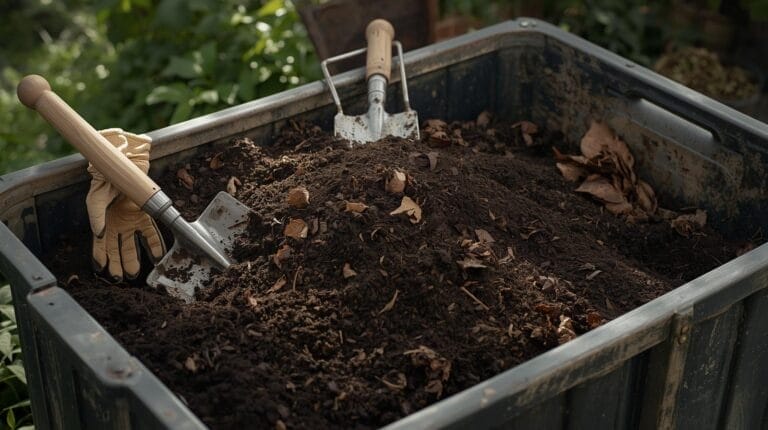
| Backyard Composting | Fully stabilized humus (~1-1-1 balanced) | 60 to 90 Days | Indefinite (Moist pile) | Low (in hot managed pile) | All general garden crops & bed rejuvenation |
| Summary: Thermal dehydration and aerated simmering offer the highest mineral bio-availability while completely mitigating fruit fly and anaerobic rot hazards. | |||||
For home gardeners managing traditional compost piles alongside kitchen scraps, our in-depth resource on Composting Tips: Turn Kitchen Waste Into Black Gold explains the ideal carbon-to-nitrogen ratios needed to break down dense fruit rinds without foul odors.
Placing raw banana peels into an unsealed jar of cold tap water for 3 to 5 days does not extract significant mineral content. Instead, it breeds anaerobic yeast and bacteria while fermenting simple fruit sugars into volatile organic acids. Always use heat extraction (Method 1) or complete dehydration (Method 2) for clean, disease-free results.
3. Method 1: How to Brew Clean, Odorless Banana Peel Liquid Tea
Boiling or light simmering ruptures the dense outer epidermal cuticle of banana peels, releasing soluble potassium salts and intracellular minerals into the aqueous solution in under 20 minutes. This thermal extraction sterilizes the solution, eliminating airborne fungal spores and fruit fly eggs that frequently hitchhike on grocery store produce.
- Chop the Peels: Slice 4 to 5 clean banana peels into 1-inch squares to maximize surface contact.
- Thermal Extraction: Place chopped peels into a non-reactive stainless steel pot with 1 gallon of filtered, dechlorinated water. Bring to a gentle boil, reduce heat, and simmer for 15 minutes.
- Infusion & Cool Down: Remove from heat, cover with a clean lid, and let the infusion steep for 24 hours at room temperature.
- Filter Thoroughly: Pour the tea through a fine-mesh sieve or double-layered cheesecloth to capture every solid particle. Solids can be safely dumped into your outdoor compost bin.
- Dilute Before Application: Mix 1 part concentrated banana peel tea with 4 parts fresh water. Apply directly to the soil around the base of your plants once every 10 to 14 days during flowering.
This liquid drench is particularly effective for heavy-feeding nightshade crops. In our guide to Hydroponic Tomatoes and the accompanying Tomato Nutrient Schedule, we demonstrate how vital supplemental potassium is during the transition from vegetative branching to floral cluster development.

4. Method 2: Dehydrated Banana Peel Powder (The Agronomic Gold Standard)
Thermal dehydration followed by fine milling represents the most efficient way to utilize banana peels in organic gardening. By eliminating all moisture, you condense the mineral content by more than 800% while rendering the amendment shelf-stable for over a year. The resulting dry meal behaves as an authentic slow-release soil amendment that feeds both plant roots and beneficial mycorrhizal fungi.
To manufacture peel powder at home:
- Preparation: Spread single-layer strips of cut banana peels on a parchment-lined baking sheet, skin-side facing down.
- Baking: Place in an oven set to 170°F to 200°F (75°C to 93°C) for 2.5 to 3.5 hours. Alternatively, run an electric food dehydrator at 135°F (57°C) for 8 to 10 hours until the peels snap crisply like potato chips.
- Pulverization: Allow to cool completely, then blend in a high-speed blender or dedicated spice grinder until reduced to a coarse flour texture.
- Storage: Store in an airtight mason jar away from direct sunlight with a food-safe desiccant pouch.
Do not leave banana peels in thick dried chunks. Coarse leathery flakes absorb soil moisture, rehydrate into sticky gum, and take months to break down. Pulverizing peels into a fine grit (under 1 mm) exposes thousands of microscopic particle edges, enabling soil bacteria to convert potassium silicate into soluble plant-available $K^+$ ions within 7 to 10 days of soil incorporation.
5. Method 3: Korean Natural Farming (KNF) Fermented Plant Juice (FPJ)
In regenerative agriculture and Korean Natural Farming (KNF), plant extracts are created through osmotic fermentation rather than boiling or drying. By layering chopped high-potassium fruit skins with unrefined brown sugar, osmotic pressure draws out intracellular sap, enzymes, growth hormones, and bioavailable minerals without heat degradation.
To prepare KNF Banana Peel Ferment:
- Weigh 500 grams of fresh, unwashed organic banana peels and chop into small fragments.
- Mix thoroughly with exactly 500 grams of unrefined raw brown sugar or jaggery (1:1 weight ratio).
- Pack into a wide-mouth glass jar, leaving 1/3 of the jar empty for fermentation gases. Cover the mouth with breathable cotton cheesecloth secured with a rubber band.
- Store in a dark cabinet at 68°F to 75°F (20°C–24°C) for 7 to 10 days. The sugar will liquify into a dark, molasses-scented enzyme elixir.
- Strain liquid into an amber glass bottle. For foliar feeding, dilute at 1:1,000 (roughly 1 teaspoon per gallon of water); for soil drenching, dilute at 1:500.
Active microbial fermentation releases carbon dioxide ($CO_2$). If you seal your fermentation vessel with an airtight metal lid without daily burping, dangerous gas pressure will accumulate, creating an explosive shatter risk. Always use a breathable cloth cover during the active 7-day fermentation period.
6. Mineral Density Analysis: Banana Peels vs. Commercial Organic Amendments
While banana peels excel at providing potassium, they must be understood within the broader context of plant nutrition. Plants require all 17 essential elements in balanced proportions. The table below compares dehydrated banana peel powder with standard organic fertilizers to illustrate its specific nutritional strengths and limitations.
| Organic Amendment | Available N (%) | Phosphate P₂O₅ (%) | Potash K₂O (%) | Calcium Ca (%) | Primary Agricultural Function |
|---|---|---|---|---|---|
| Dehydrated Banana Peel Powder | 0.6% – 1.0% | 0.2% – 0.5% | 9.0% – 11.5% | 1.5% – 2.5% | Potassium booster for fruiting & bloom quality |
| Steamed Bone Meal | 1.0% – 3.0% | 12.0% – 15.0% | 0.0% | 18.0% – 22.0% | Early root development & bloom initiation |
| Blood Meal | 12.0% – 14.0% | 0.5% – 1.0% | 0.5% | 0.3% | Vegetative canopy growth & lush foliage |
| Norwegian Kelp Meal | 1.0% – 1.5% | 0.2% – 0.5% | 2.0% – 3.0% | 1.0% – 2.0% | Bio-stimulant hormones & trace micronutrients |
| Hardwood Ash | 0.0% | 1.0% – 2.0% | 4.0% – 7.0% | 20.0% – 25.0% | Fast potassium + raises acidic soil pH quickly |
| Agronomic Takeaway: Banana peel powder operates as an exceptional clean potassium source without the high alkaline pH spikes caused by wood ash. | |||||

For fruiting crops such as bell peppers and cucumbers, combining banana peel powder with organic calcium and nitrogen sources creates the ideal feeding balance. Explore our dedicated guides on Hydroponic Peppers and Hydroponic Cucumbers to observe how precision potassium ratios prevent blossom end rot and leaf cupping.
Because banana peels lack adequate nitrogen and phosphorus, feeding garden vegetables exclusively on banana peel tea will quickly cause nitrogen deficiency (lower yellowing leaves) and stunted root growth. Always pair banana peel potassium with balanced organic compost, worm castings, or nitrogen-fixing crop rotations.
7. Step-by-Step Procedural Application Protocol
Follow this systematic 5-step operational protocol to integrate banana peel fertilizer into your seasonal garden management plan without risking pests, odors, or nutrient lockout:
- Inspect and Wash Peels to Remove Synthetic Residues: Collect peels from ripe organic bananas. Rinse under running cold water to dislodge any synthetic antifungal sprays used during maritime transport. Chop peels into uniform 1-inch squares.
- Choose Your Extraction Method Based on Plant Stage: If your tomatoes or peppers are currently blooming, opt for quick-release simmered liquid tea. If you are preparing potting soil for upcoming spring transplants, select the dehydrated powder method for steady season-long mineralization.
- Brew Simmered Liquid Fertilizer Tea: Simmer chopped peels in dechlorinated water for 15 minutes, allow to steep covered for 24 hours, and strain thoroughly through a cheesecloth or 200-mesh sieve to prevent attracting fungus gnats.
- Dehydrate and Pulverize Peels for Slow-Release Powder: Bake peels at 170°F to 200°F (77°C–93°C) for 2 to 3 hours until completely brittle and dark brown, then grind into a fine powder using a spice grinder.
- Dilute and Apply to Potassium-Hungry Crops: Dilute liquid tea 1:4 with fresh water for bi-weekly root drenching, or scratch 1 to 2 tablespoons of dry powder into topsoil within the plant’s drip line. Water thoroughly to activate microbial release.
8. Diagnostic Troubleshooting Matrix for Home Gardeners
Even with natural organic amendments, improper dilution or application techniques can create soil imbalances. Use this verified 8-row diagnostic matrix to rapidly troubleshoot and correct common symptoms.
| Observed Symptom | Underlying Root Cause | Immediate Corrective Action | Long-Term Preventive Measure |
|---|---|---|---|
| Fungus Gnats Hovering Near Soil | Unstrained peel fragments or excess surface sugar fermenting | Top-dress soil with 1/2 inch coarse sand; allow soil top 2 inches to dry | Filter tea through cheesecloth; bury powder 2 inches below surface |
| Foul Sour / Putrid Tea Odor | Anaerobic bacteria thriving in cold-soaked, stagnant water | Discard spoiled batch into active outdoor compost; do not pour on potted plants | Simmer tea for 15 minutes to sterilize, or use KNF sugar fermentation |
| White Fuzzy Surface Mold on Soil | Beneficial saprophytic fungi breaking down unpulverized peel solids | Gently cultivate topsoil with a hand fork to introduce oxygen | Grind powder to fine mesh (<1 mm); avoid surface clumping |
| Lower Leaves Turn Yellow (Chlorosis) | Nitrogen immobilization caused by raw buried peels | Drench immediately with diluted fish emulsion or blood meal tea | Never bury uncomposted whole peels directly near live plant root zones |
| Raccoons / Rodents Digging Beds | Wildlife attracted to sweet scent of buried raw peels | Place wire hardware cloth over beds; sprinkle cayenne pepper | Switch exclusively to oven-dehydrated powder or strained liquid tea |
| Blossom End Rot on Tomato Fruits | Excessive potassium competing with calcium uptake at root tips | Cease banana peel applications; apply foliar calcium chloride drench | Maintain consistent irrigation; pair potassium with crushed eggshells |
| Clogged Watering Can Spout | Coarse fibrous peel pulp suspended in liquid solution | Backflush nozzle with warm water; strain batch through coffee filter | Always use multi-stage filtration (mesh strainer then cheesecloth) |
| Peels Stay Leathery & Won’t Grind | Residual moisture trapped inside thick peel epidermis | Return peels to oven at 180°F for an additional 45 minutes until crisp | Slice peels into narrow julienne strips prior to dehydrating |
| Diagnostic Note: Always balance home potassium amendments with consistent irrigation to maintain steady osmotic transpiration through plant stems. | |||
If your soil displays persistent pH drift or mineral lockout, refer to our diagnostic resource on pH Down Alternatives and Soil Buffering to restore biological equilibrium.
Key Takeaways: Mastering Banana Peel Fertilizer
- Potassium Rich, Nitrogen Poor: Dried banana peel meal offers an organic NPK ratio of roughly 1-0.2-10, providing high potassium with minimal nitrogen.
- Never Bury Peels Whole: Raw buried peels trigger microbial nitrogen tie-up, foul anaerobic rot, and attract unwanted pests and rodents.
- Dehydrated Powder Is Superior: Baking peels until brittle and grinding into fine powder creates a safe, 12-month shelf-stable, slow-release amendment.
- Simmered Liquid Tea for Fast Boosts: Simmering peels for 15 minutes sterilizes the extract, prevents fruit flies, and delivers rapid bioavailable potassium to flowering tomatoes and peppers.
- Always Balance with Companion Amendments: Pair banana peel potassium with organic nitrogen (compost, coffee grounds) and phosphorus (bone meal) for a complete nutritional diet.
Calculate Exact Fertilizer Application Weights for Your Garden
Need to know exactly how many pounds of organic amendments or balanced fertilizer your vegetable garden beds require? Use our custom interactive tool to compute precise application rates across square feet, raised beds, or acreage.
Get weekly evidence-based vegetable gardening guides, seasonal fertilizing charts, and pest management protocols.