Deprecated: Function WP_Dependencies->add_data() was called with an argument that is deprecated since version 6.9.0! IE conditional comments are ignored by all supported browsers. in /home/u769633220/domains/currentgardening.com/public_html/wp-includes/functions.php on line 6131

Light Requirements for Hydroponic Lettuce: LEDs vs Natural Sunlight

hydroponic lettuce led vs natural light feature image

đŸŒ± Key Takeaways Hydroponic lettuce requires 12–16 hours of light daily. LED grow lights provide consistency, spectrum control, and year-round growing. Natural sunlight is cost-free but less predictable and climate-dependent. Ideal light intensity: 100–200 ”mol/mÂČ/s for seedlings, 200–300 ”mol/mÂČ/s for mature lettuce. Supplement natural light with LEDs in winter or shaded environments. To maximize growth … Read more
Hydroponic Lettuce Nutrient Guide: EC, pH, and Fertilizer Ratios Explained

Hydroponic Lettuce Nutrient Guide

đŸŒ± Key Takeaways Hydroponic lettuce thrives at pH 5.5–6.5 and EC 1.0–1.6 mS/cm. Balanced NPK ratios and calcium/magnesium are crucial for leaf growth. Overfeeding leads to tip burn, while underfeeding slows growth. Use calculators like the EC/TDS Calculator and pH Calculator to stay on track. Nutrients are the lifeblood of hydroponic lettuce. Unlike soil, hydroponics … Read more

Best Hydroponic Systems for Lettuce: NFT, DWC, Kratky, and Beyond

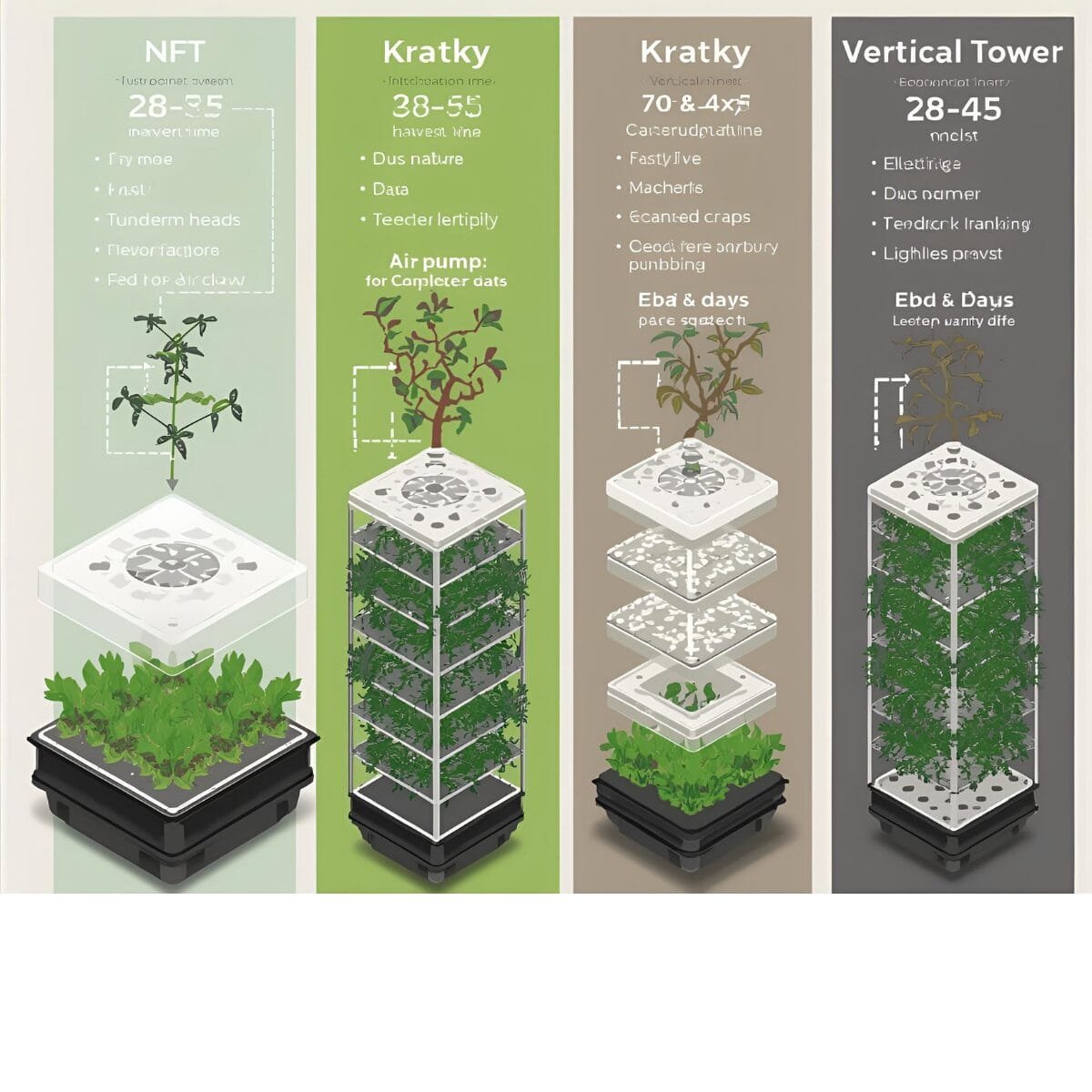
hydropnoic system comparison

Hydroponic lettuce can thrive in many system designs, from simple jars to high-tech towers. But not every setup delivers the same speed, yield, or ease of use. If you’re asking “Which hydroponic system is best for lettuce?”, the answer depends on your goals—whether that’s countertop convenience, classroom demos, or commercial-scale farming. In this guide, we’ll … Read more

How Long Does Hydroponic Lettuce Take to Grow? Timelines by System

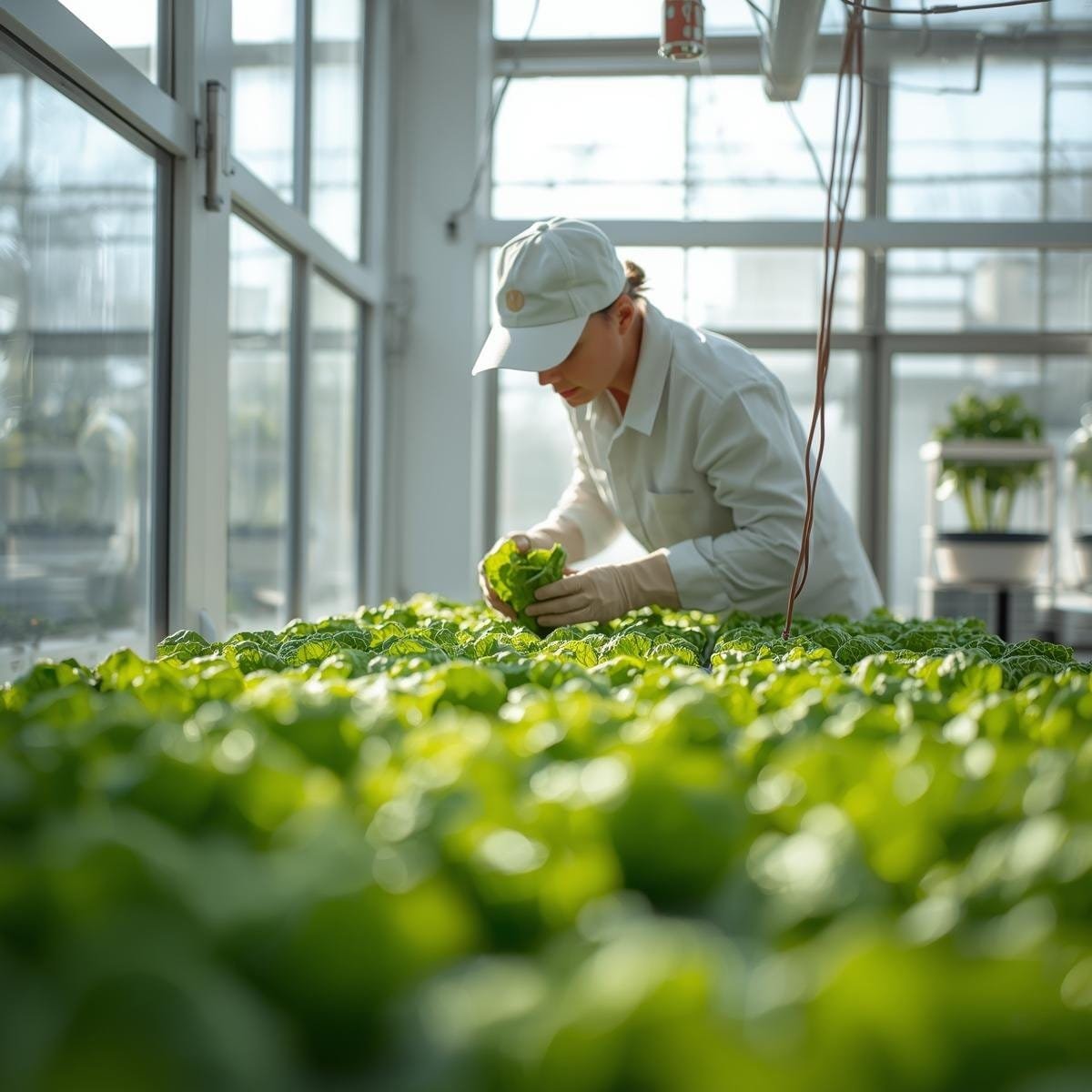
harvesting green leafy hydroponic lettuce

đŸŒ± Key Takeaways Hydroponic lettuce takes 4–6 weeks from seed to harvest under optimal conditions. System choice matters: Kratky is slower, NFT and vertical towers are fastest. Environmental factors such as light, nutrients, pH, and temperature directly affect growth speed. With excellent conditions, some growers harvest in as little as 28 days. One of the … Read more

Kratky Method for Hydroponic Lettuce (No Pump, No Electricity)

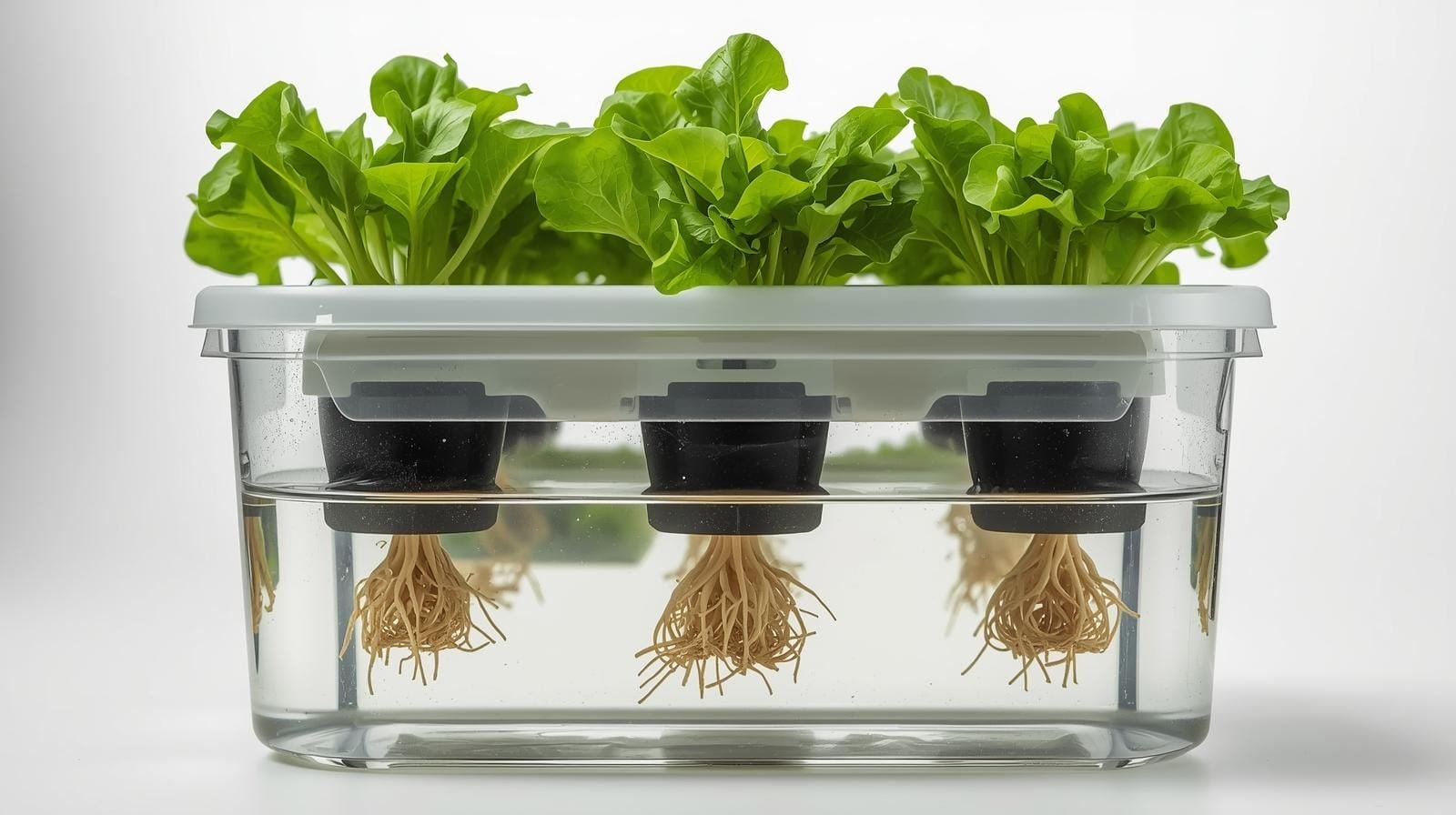
Kratky method hydroponic

đŸŒ± Key Takeaways The Kratky method is the simplest way to grow hydroponic lettuce—no pumps or electricity needed. Ideal for beginners, classrooms, and small-scale growers. Baby leaves are ready in 3–4 weeks; full heads in 5–7 weeks. Butterhead and loose-leaf lettuces are the easiest varieties for Kratky. If you want to grow hydroponic lettuce with … Read more

Composting Tips: How to Turn Kitchen & Garden Waste Into Black Gold

composting calculator tips

Composting is one of the easiest and most effective ways to improve your garden’s soil health while reducing household waste. Whether you’re a beginner or an experienced gardener, learning how to compost correctly will help you create nutrient-rich organic matter that your plants will love. And if you’re planning a large composting project, don’t forget … Read more

US to Metric Conversion for Growers: Easily Switch Between Measurements

US to Metric Conversion

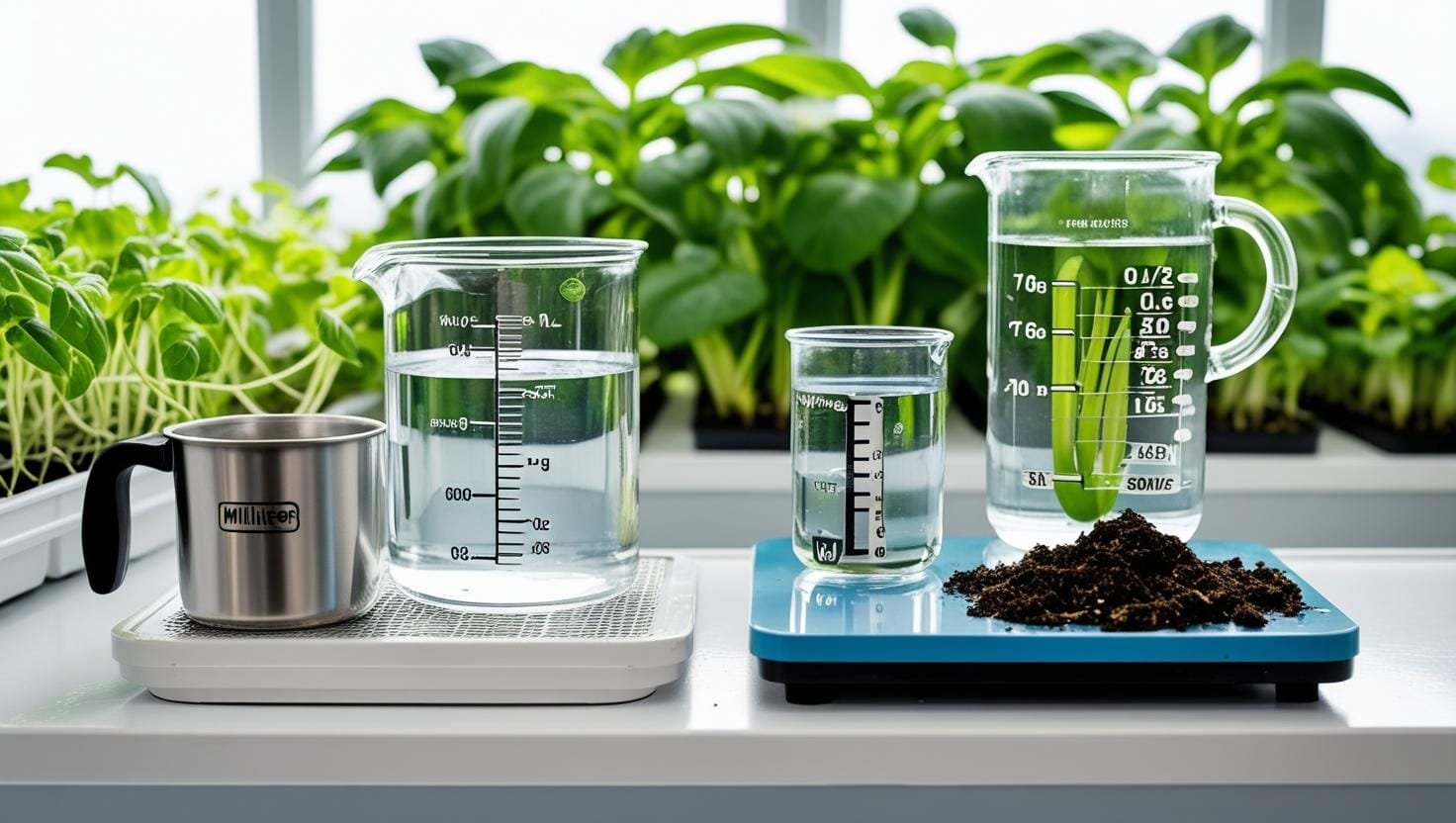
Accurate measurement is key for gardening and hydroponics. Use our US to Metric Unit Converter for fast, easy US to Metric conversion of volume, weight, and length.. Avoid miscalculations in watering, nutrient dosing, or planting spacing with this simple, reliable tool. Why Use a Unit Converter? Common US/Metric Conversions Unit Type US Unit Metric Unit … Read more

Water Volume Converter: Measure and Manage Water Needs

Water Volume Converter

Water management is the foundation of successful gardening and hydroponics. Our Water Volume Calculator and Water Volume Converter help you determine exactly how much water your plants or system requires. Whether you are filling a reservoir, planning an irrigation system, or mixing nutrient solutions, this tool makes water measurement fast and accurate. Why Use a … Read more